


More than 1,249 families trust us
Children who fail in primary school: how to help them regain confidence
Failing in primary school doesn't mean failure. Poor grades often stem from underlying issues such as lack of motivation, boredom, or comprehension difficulties. With the right support and tailored tools, any child can rediscover the joy of learning and improve their academic performance.


Why do children fail in primary school?
Failing grades in primary school are not always due to a lack of effort. Emotional, learning, or methodological factors often play a role.
Difficulty concentrating or maintaining attention.
Lack of reading comprehension or problems with numbers.
Demotivation or a feeling of frustration in the classroom.
Learning paces different from those of the group.
Identifying the cause is the first step in being able to support the child and offer them the appropriate resources to move forward safely.
How to help a child who has failed
Family and emotional support is just as important as academic reinforcement. Some practical tips:
Avoid punishments or comparisons. Mistakes are part of learning.
Review the material together. Dedicate a few minutes each day to review it calmly.
Reinforce what they do well. Valuing their achievements improves their self-esteem.
Introduce visual or interactive resources. Many children learn best with practical examples.
The goal is not just to improve grades, but to help him regain confidence and curiosity for learning.

Activities to rekindle interest in learning
When a child enjoys learning, motivation returns naturally. At MindED you'll find short, dynamic exercises adapted to their grade level.
Math games to review operations and problems.
Reading comprehension and spelling activities.
Cognitive exercises to improve memory and attention.
Level-based challenges that adjust to the child's progress.
These activities help transform studying into a positive experience, without pressure or frustration.

Regaining motivation: the role of families
The family environment has a significant influence on learning. Here are some key factors that can make a difference:
Establish short but consistent study routines.
Create a quiet space, free of distractions.
Show interest and celebrate every step forward, no matter how small.
Teach that making mistakes is also part of learning.
Emotional support and positive reinforcement are essential for children to regain their self-confidence.


Download MindED and transform failures into learning opportunities with activities designed for your level:
Kids love it! Parents trust us!
More than 1,249 families trust us

My 7-year-old son keeps asking for more
It has taken the guilt off my shoulders regarding screen time because I know he is truly learning, unlike with other apps.

Carmen R.
March 15, 2025
My 8-year-old daughter can't stop
She used to hate math, and now she asks me if she can play games for a little while longer. I still can't believe it.

Alejandro M.
February 2, 2025
My 6-year-old is hooked
Finally, an app where he learns through play. His grades have improved, and he thinks he's just having fun.

María José L.
April 28, 2025
My 9-year-old son is asking for more time
I love seeing how much he enjoys learning. There are no more homework dramas because he comes home from school motivated.

Carlos P.
June 12, 2025





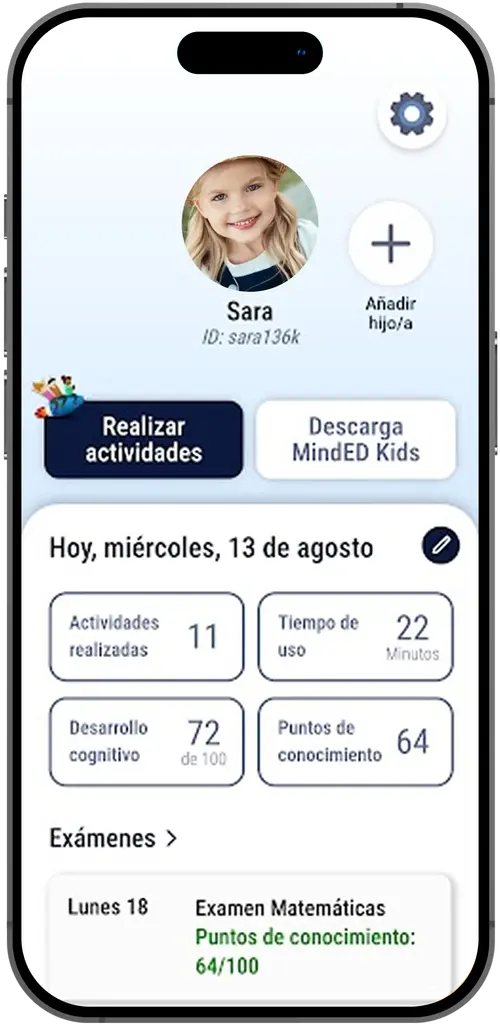

Download MindED and transform failures into learning opportunities with activities designed for your level:
What should I do if my child has failed several subjects?
The important thing is to act quickly. Analyze the most affected subjects and reinforce them with short, personalized exercises.
When should we worry about failing grades?
When poor performance persists for several terms or affects self-esteem, it's advisable to speak with the teacher or seek educational support.
Can MindED help if my child has failed?
Yes. MindED offers exercises organized by course and subject to review school content in a fun way and adapted to your pace.
How much time per day should I dedicate to reviewing?
Between 10 and 20 minutes of consistent daily practice can make a big difference in your results.
Download MindED and transform failures into learning opportunities with activities designed for your level: